
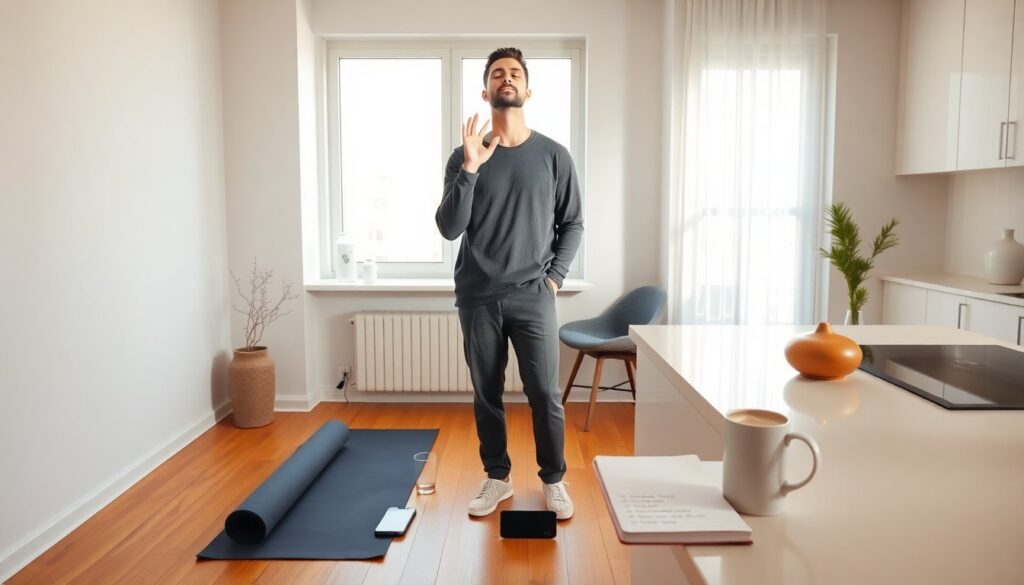
A simple morning routine for mental health helps the day start with calm and clarity. It gives small, repeatable actions that reduce stress and lift mood. The routine asks for seven short steps that take less than 30 minutes. It fits into real life and supports steady focus and energy.
Key Takeaways
- A simple morning routine for mental health begins with waking gently using soft alarms and quiet moments to reduce stress and improve clarity.
- Incorporating 5–10 minutes of gentle movement like walking or yoga boosts mood chemicals and sharpens focus throughout the day.
- Practicing short mindfulness exercises for 3–5 minutes helps lower anxiety and anchors attention on the present moment.
- Planning one meaningful task each morning with a flexible mini-plan increases productivity while reducing overwhelm and supports steady mental health.
- Combining these small, consistent habits creates a low-stress morning routine that builds long-term mental resilience and balanced energy.
Wake Gently: Build A Low-Stress Start To Your Day
People begin a simple morning routine for mental health by waking gently. He avoids loud alarms and chooses a softer sound or light. She sits up and breathes for three slow counts. He opens a window or moves to a quiet spot for one minute of stillness. Those small actions lower heart rate and ease the transition from sleep to wake.
A gentle start reduces impulsive phone checks. They keep the phone out of reach for five to ten minutes. This habit supports clear thinking and lowers early anxiety. For readers who want a full day plan, a daily routine for productivity and health outlines timing and simple swaps that keep mornings calm.
People may pair waking gently with one easy habit. He drinks a glass of water. She stretches one major muscle group. Those actions increase alertness and support a stable mood. The next steps build on this low-stress start.
Move To Wake Up Your Body And Mind
Movement locks the body and mind into the day. He chooses five to ten minutes of walking, yoga, or simple calisthenics. She keeps the motion gentle and steady. The routine asks for movement that raises heart rate slightly and eases stiffness.
Movement boosts mood chemicals and improves focus. They pick a short sequence they can repeat. This repetition builds confidence and reduces decision fatigue. For people looking to add more energy, an article on simple ways to boost energy naturally lists movement and food tips that fit morning habits.
Movement also supports other healthy habits. He follows movement with a quick shower or face splash. She pairs movement with a short posture check and breathing cycle. Those linked actions make the practice feel complete and practical.
Many people combine movement with self-care. A guide to self care routine ideas at home offers options for short, effective movement and care that match this step.
Use A Short Mindfulness Practice To Reduce Anxiety
A short mindfulness practice anchors attention. He sits for three to five minutes and counts breaths. She notices bodily sensations and lets them pass. The practice shifts focus from worries to the present moment. Those moments lower anxiety and sharpen focus.
The practice stays simple and direct. He names thoughts and returns to breath. She keeps posture upright and relaxed. They avoid long instructions and keep the exercise clear.
People who want a gradual plan can follow a daily wellness routine for beginners that includes short mindfulness practices and stepwise increases in time. For guidance on broader mental health habits, the article on how to improve mental health naturally pairs mindfulness with sleep and nutrition tips.
A short mindfulness practice also works well after movement. He uses breath to settle the body. She repeats one calming phrase silently. This combination reduces reactivity and builds steady attention.
Plan One Meaningful Task And A Flexible Mini-Plan
The final step asks people to plan one meaningful task. He chooses one task that matters and will fit into the morning. She writes that task down in a single sentence. That clarity creates momentum and reduces overwhelm.
Then the person creates a flexible mini-plan. He lists two small steps that lead to the task. She sets a 20- to 30-minute window for focused work. The plan stays flexible so small changes do not derail the morning.
A focused task increases confidence and steady productivity. They follow that step with one healthy habit like a balanced breakfast. Readers can expand this practice with a guide on healthy habits to start daily that matches short morning wins.
People who pair planning with care feel more resilient. He uses the mini-plan to protect time and reduce distractions. She keeps the plan simple and actionable. For context about routines that support both work and mood, the morning vs night skincare routine article shows how short rituals anchor larger habits.
Those four steps form a repeatable cycle. A person can adjust timing and content without changing the core process. The simple morning routine for mental health asks for small, consistent choices that add up over weeks and months.